I'm Sorry, Did I Roll My Eyes Out Loud? A Font with Attitude
In the world of design, typography is a powerful tool for conveying personality. Some fonts whisper elegance, others shout innovation. Then there are typefaces like I'm Sorry, Did I Roll My Eyes Out Loud?—a creative font that doesn't just speak; it delivers a perfectly timed, sarcastic comeback. This isn't your average display font. It's a design asset built for projects that demand a bold, humorous, and unapologetically grumpy voice. If you're a designer, entrepreneur, or content creator looking to inject some real attitude into your work, understanding this typeface is your first step.
Visual Character and Instant Appeal
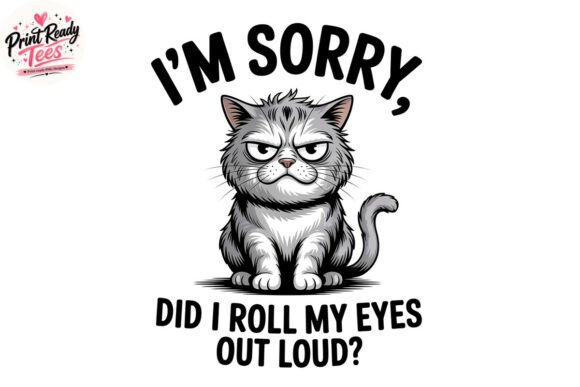
At first glance, I'm Sorry, Did I Roll My Eyes Out Loud? grabs attention with its expressive, hand-lettered quality. The letterforms are intentionally irregular, mimicking the frantic energy of a doodle scrawled in a moment of exasperation. You'll notice thick, uneven strokes and playful, slightly distorted shapes that give the font a raw, authentic feel. It’s less about perfect symmetry and more about capturing a mood. The style sits at the intersection of a handwritten font and a script font, but with a distinctly modern, rebellious edge. This isn't delicate calligraphy; it's bold, immediate, and full of character.
The overall personality is one of relatable sarcasm and humorous defiance. It’s the typographic equivalent of an exaggerated eye-roll or a muttered, witty comment under your breath. This makes it incredibly effective for connecting with audiences who appreciate dry humor and don't take themselves too seriously. The visual style works because it feels genuine—it’s a creative font that embodies a specific, widely understood human emotion.
Strategic Applications: Where This Font Shines
Choosing the right context is crucial for any premium font, especially one with such a strong personality. I'm Sorry, Did I Roll My Eyes Out Loud? is not for legal documents or corporate annual reports. However, it excels in projects where personality and engagement are the primary goals.
For Branding and Marketing: This typeface can be a secret weapon for brands targeting a young, witty demographic. Think about social media graphics for a comedy podcast, the logo for a sarcastic greeting card line, or promotional materials for a local comedy club. It instantly sets a tone that is approachable, humorous, and memorable. In packaging design, it could work brilliantly for a product with a cheeky brand voice—perhaps a hot sauce with a "warning label" style or a craft beer with a provocative name.
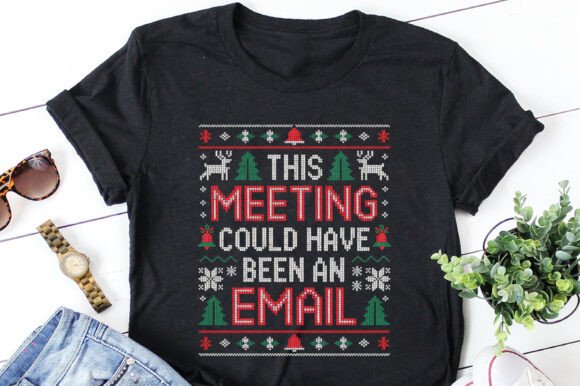
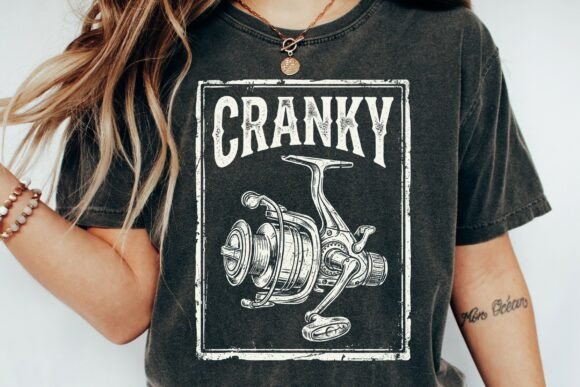
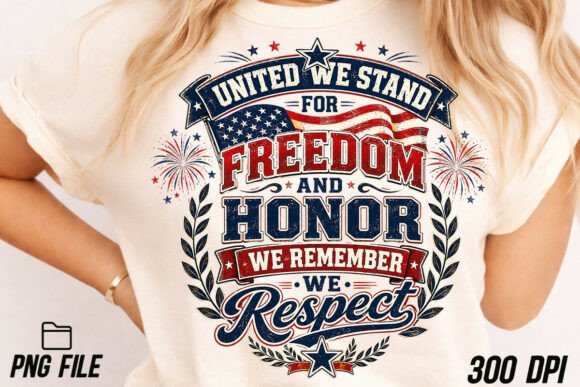
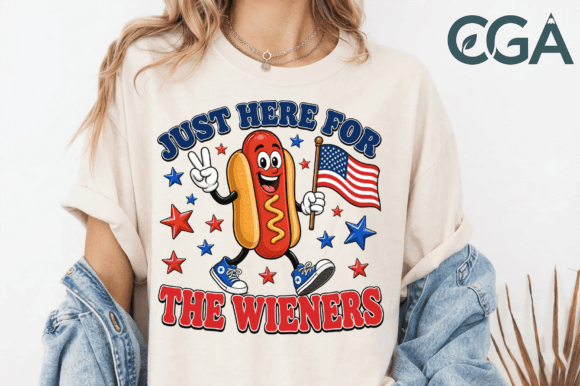
For Digital and Print Projects: Its strengths are equally potent in the digital realm. Use it for website headers on a humor blog, for creating viral-style quote images, or as a standout element in social media graphics. In print, it’s ideal for editorial design in magazines aimed at a younger audience, for poster designs for events, or for creating unique merchandise like t-shirts, mugs, and stickers—exactly the products mentioned in its description. The design's connection to the "grumpy cat" meme culture gives it an immediate cultural touchpoint.
Practical Guidance for Effective Use
Integrating a font with this much personality requires a thoughtful approach. Here’s how to use it effectively without overwhelming your design.
- Evaluate Project Fit: Ask yourself if your project's tone aligns with sarcastic humor. It’s perfect for a personal blog, a niche e-commerce store, or a community-focused brand. It would be jarring and inappropriate for a formal invitation or a serious news publication.
- Master the Font Pairing: This is critical. A loud, expressive font like this needs a calm, stable partner to ensure readability and create a clear visual hierarchy. Pair it with a clean, neutral sans serif font for body text. The contrast will let the display font command attention in headlines without causing visual chaos. Avoid pairing it with other ornate script or handwritten fonts, as they will compete for attention.
- Readability is Key: Use this font for short, impactful text: headlines, quotes, slogans, or single words. Never use it for long paragraphs. Its charm is in its expressive forms, which can become difficult to read in large blocks. Always test at the intended size to ensure every letter is legible.
- Understand the License: As a commercial font, verify the licensing terms. Ensure it covers your intended use, whether for a client's logo design, print-on-demand merchandise, or digital products. Respecting the license protects you legally and supports the font creator.
Think of I'm Sorry, Did I Roll My Eyes Out Loud? not as a workhorse font, but as a specialty tool in your design assets kit. It’s the one you reach for when you need to make a specific, memorable statement. When used strategically, it can significantly boost audience engagement by making your content feel more human, relatable, and fun. It helps build a brand identity that is confident, witty, and refreshingly honest.
In a landscape saturated with polished, generic typefaces, this font offers a chance to stand out. It’s a modern typography piece that acknowledges we don’t always feel prim and proper. By incorporating it thoughtfully, you give your projects a voice that resonates with the eye-rollers, the sarcastic commenters, and everyone who appreciates a good, grumpy laugh. It’s more than just letters on a page; it’s a design statement with a purr and a smirk.